

Navigating Senior Pet Care with Confidence
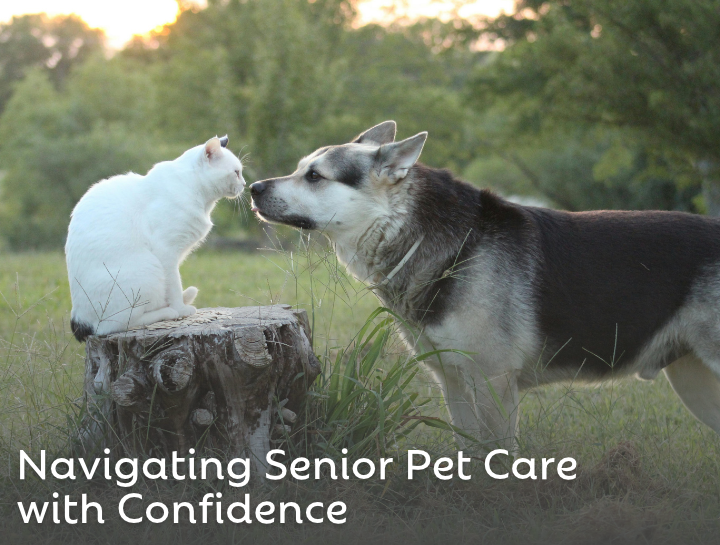
As the years go by, our dogs and cats quietly transition into their golden years. November is Senior Pet Month, the perfect time to focus on the unique health and comfort needs of our older companions. As pets enter this new stage of life, they require a little extra care and attention. Here is what every pet parent should know about senior pet wellness.
When Is a Pet Considered a Senior?
Because our pets age much faster than we do, the threshold for becoming a senior varies significantly by species and size.
-
Dogs: Large and giant breeds (like Great Danes or Labradors) age faster and are often considered seniors around 5 to 6 years old. Medium-sized dogs enter their senior years around 7 to 8, while small breeds may not have senior care needs until 10 to 11 years old.
-
Cats: Feline companions age at a more uniform rate and are generally considered seniors around 10 years of age, entering their geriatric stage after age 14.
What Changes Should You Expect?
Just like humans, aging pets experience physical and lifestyle changes. You may notice subtle grey hair around their muzzle, a slightly cloudier appearance in their eyes, reduced vision or hearing, or lower energy levels. Their metabolism may also slow down, requiring dietary adjustments to maintain a healthy weight.
Subtle Signs Your Pet Is Slowing Down
It is easy to dismiss minor changes as a natural consequence of aging, but many common signs could indicate early signs of aging.
-
Stiffness and hesitation around routine activities, such as jumping onto the couch or climbing stairs
-
Confusion or changes in behavior, such as pacing at night, staring at walls, or getting stuck behind furniture
-
Unexplained weight loss or weight gain
-
Drinking significantly more water
-
Accidents inside or missing the litter box
Is It Aging or Is It Illness?
One of the most important takeaways for Senior Pet Month is to never assume a symptom is "just old age." Many issues commonly attributed to aging (such as slowing down, sleeping constantly, or crying when moving) are actually symptoms of pain or treatable medical conditions. With modern veterinary medicine, options like target joint supplements, tailored pain management, prescription diets, and routine wellness screenings can dramatically improve your senior pet’s quality of life.
Give Your Senior Pet the Comfort They Deserve!
Catching health conditions early during routine senior wellness exams (recommended every 6 months for older pets) allows us to intervene before minor problems become major health concerns. Your aging pet has given you years of unconditional love and loyalty; now is the perfect time to give them the care they need to stay comfortable and happy.
Call us at (937) 748-1378 to schedule a senior wellness appointment for your aging pet today!